
Surveillance Cameras Without Internet: Stay Secure Offline
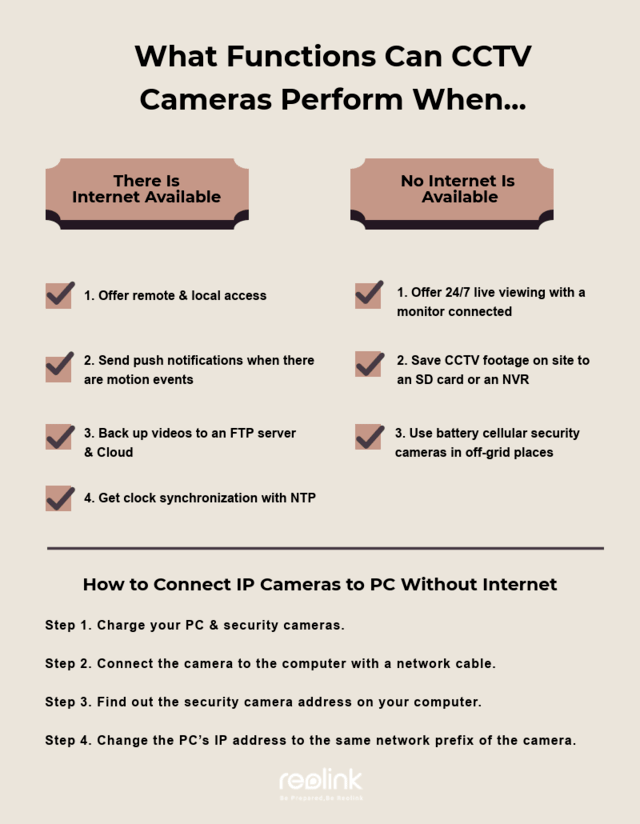
Surveillance cameras without internet are becoming popular. They offer security without needing Wi-Fi.
In today’s world, many people seek ways to protect their homes and businesses. Surveillance cameras are a key tool for this purpose. But not everyone wants or needs an internet connection. Internet-free cameras provide a reliable solution. They work even in places with no internet access.
These cameras store footage locally, often on SD cards. This means you can monitor your property without relying on network connections. Additionally, they are often easier to set up and can be more secure from hackers. This post explores why you might choose a surveillance camera without internet and how they can benefit you. Stay tuned to learn more about these efficient and straightforward security options.
Introduction To Offline Surveillance
Surveillance cameras play a crucial role in ensuring safety. Not all cameras require an internet connection. Offline surveillance systems offer a reliable alternative. They work without depending on Wi-Fi or Ethernet. These systems can be ideal for remote locations or areas with poor internet connectivity. Understanding offline surveillance can help you make informed decisions about security.
Benefits Of Offline Systems
Offline surveillance systems provide several key benefits:
- Reliability: They operate without internet interruptions.
- Security: No risk of hacking through the internet.
- Cost-effective: No need for high-speed internet plans.
- Privacy: Data stays within your local network.
These benefits make offline systems a viable choice for many. They offer peace of mind and robust security solutions.
Common Misconceptions
Several misconceptions exist about offline surveillance systems:
- Limited Functionality: Some think offline systems have fewer features. Modern offline cameras offer advanced features like motion detection and night vision.
- Poor Storage: Offline systems often use local storage like SD cards or DVRs. This can be more secure than cloud storage.
- Hard to Monitor: You can still monitor footage through local devices. Connecting to a monitor or TV is simple.
These misconceptions can deter users from choosing offline surveillance. Understanding the truth can help you see their true value.
| Benefit | Description |
|---|---|
| Reliability | Operates without internet interruptions. |
| Security | Resistant to hacking through the internet. |
| Cost-effective | No need for high-speed internet plans. |
| Privacy | Data stays within your local network. |
Types Of Offline Surveillance Cameras
Surveillance cameras without internet are essential for remote areas or places with poor internet connectivity. These cameras provide security and monitoring without relying on online connections. There are several types of offline surveillance cameras, each with unique features and benefits.
Analog Cameras
Analog cameras are traditional surveillance cameras that transmit video signals via coaxial cables. They are reliable and have been used for decades. These cameras are affordable and easy to install.
- Cost-effective
- Simple installation
- Good for small-scale setups
Analog cameras are ideal for basic security needs. They offer decent image quality and are easy to use. Pair them with a Digital Video Recorder (DVR) for effective monitoring.
Hd-sdi Cameras
HD-SDI cameras offer high-definition video quality. They use the same coaxial cables as analog cameras but provide much better image clarity. These cameras are perfect for situations where detail is crucial.
- High-definition video quality
- Uses existing coaxial cables
- Ideal for detailed monitoring
HD-SDI cameras are more expensive than analog cameras but offer superior video quality. They are suitable for places needing high-detail surveillance, such as banks or jewelry stores.
Dvr Systems
DVR systems are crucial for offline surveillance. They record and store video footage from multiple cameras. DVR systems can work with both analog and HD-SDI cameras.
| Feature | Benefit |
|---|---|
| Video storage | Stores footage for later review |
| Compatibility | Works with different camera types |
| Remote access | View footage on-site |
DVR systems are essential for comprehensive surveillance. They ensure that you have a record of all activities. Choose a DVR with enough storage capacity to meet your needs.
Advantages Of Non-internet Cameras
Surveillance cameras without internet offer unique benefits. They enhance privacy and reduce hacking risks. These cameras are often easier to install and manage. Let’s explore their advantages in detail.
Enhanced Privacy
Non-internet cameras offer a higher level of privacy. They do not connect to the internet. So, they are less likely to be exposed to online threats. Your footage remains secure and private. Only you can access it directly.
These cameras store footage locally. This means no cloud storage is involved. Your data stays within the device or on a local server. This minimizes the risk of unauthorized access.
Reduced Hacking Risks
Non-internet cameras significantly reduce hacking risks. They are not linked to the web. This makes it harder for hackers to breach your system. Your surveillance is more secure.
Internet-connected cameras are vulnerable to cyber-attacks. But offline cameras avoid these risks. They operate independently from the internet. This ensures they are less susceptible to hacks.
| Feature | Internet Cameras | Non-Internet Cameras |
|---|---|---|
| Privacy | Lower | Higher |
| Hacking Risk | Higher | Lower |
| Installation | Complex | Simple |
Choosing non-internet cameras enhances privacy and security. They provide peace of mind. You can feel confident your surveillance footage is protected.
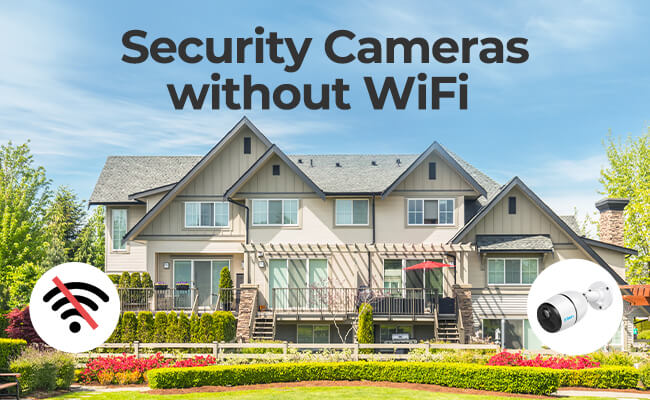
Credit: reolink.com
Installation Tips For Offline Cameras
Installing surveillance cameras without internet can be simple and effective. These cameras offer security without relying on a network connection. Below are some tips to ensure your offline camera is set up correctly.
Choosing The Right Location
Selecting the right spot is crucial for effective surveillance. Place cameras at entry points like doors and windows. Avoid areas with direct sunlight to prevent glare. High corners provide a wider view. Make sure the camera is within reach of a power source.
Wiring And Connectivity
Wiring is essential for offline cameras. Use quality cables to connect the camera to a power source. Secure the wires to avoid tampering. For long distances, consider using a PoE (Power over Ethernet) setup. This reduces the need for multiple cables.
| Component | Recommendation |
|---|---|
| Camera Placement | High corners, avoid direct sunlight |
| Wiring | Use quality cables, secure them properly |
| Power Source | Close proximity to cameras |
| PoE Setup | For long-distance wiring |
Follow these tips to ensure your offline surveillance system works efficiently. Proper installation is key to maintaining security.
Maintaining Your Offline Security System
Surveillance cameras without internet provide reliable security. These systems work offline, ensuring continuous monitoring. Ideal for remote areas, they don’t rely on internet connections.
Your offline security system needs regular care to function well. Keeping it in good shape ensures your property remains safe. Offline systems are reliable and do not depend on the internet. This section covers essential tips for maintaining your offline security system.Regular Inspections
Regular inspections of your surveillance cameras are crucial. Check each camera’s position and ensure it captures the right area. Clean the lenses to remove dust and dirt. Dirty lenses can reduce image quality. Test the camera’s functionality by watching the live feed. Look for any signs of wear or damage. Fix any issues promptly to keep your system working well.Software Updates
Even offline security systems need software updates. Manufacturers release updates to improve performance and fix bugs. Check for updates on the manufacturer’s website. Download the update to a USB drive or SD card. Follow the manual to install the update on your system. Keeping your software updated ensures your system runs smoothly and efficiently. “`
Credit: www.cctvsg.net
Cost Considerations
When investing in surveillance cameras without internet, understanding the cost is essential. Here, we break down the cost considerations into two main aspects: initial setup costs and long-term savings. This will help you make an informed decision.
Initial Setup Costs
The initial setup costs for surveillance cameras without internet can vary. Here are some factors to consider:
- Camera Prices: The cost depends on the camera model and features.
- Installation Fees: Professional installation might be needed, which adds to the cost.
- Storage Devices: You need a DVR or NVR system for recording footage.
- Cables and Accessories: Ensure you budget for necessary cables and mounting equipment.
Here’s a simple table to give you an idea of potential costs:
| Item | Estimated Cost |
|---|---|
| Camera | $50 – $300 |
| Installation | $100 – $500 |
| DVR/NVR System | $100 – $400 |
| Cables and Accessories | $20 – $100 |
Long-term Savings
Choosing surveillance cameras without internet can lead to significant long-term savings. Consider these points:
- No Monthly Fees: You save on monthly subscription fees for cloud storage.
- Less Maintenance: These systems require less frequent updates and maintenance.
- Lower Risk of Hacking: Reduced risk of internet-based hacks saves potential repair costs.
- Durable Equipment: Quality cameras and storage systems last longer, reducing replacement costs.
By considering these factors, you can make a cost-effective choice for your surveillance needs.
Ideal Scenarios For Offline Cameras
Surveillance cameras without internet access offer distinct advantages in specific situations. These offline cameras provide robust security without relying on web connectivity. They can store footage locally, ensuring data stays within your control. Offline cameras excel in areas where internet service is unreliable or in sensitive environments requiring high security.
Rural Areas
Rural areas often lack strong internet connectivity. Surveillance cameras without internet are ideal here. They ensure continuous monitoring and recording. Farmers can use them to protect livestock and equipment. They can also monitor large properties effectively. Local storage on these cameras guarantees footage remains accessible.
Sensitive Environments
Certain sensitive environments demand high security. Offline surveillance cameras meet these needs well. Government facilities often restrict internet use for security. These cameras ensure data stays within the site. Hospitals also benefit from offline cameras. They protect patient privacy by keeping footage local. Laboratories handling sensitive data find these cameras crucial.
Limitations Of Non-internet Surveillance
Surveillance cameras without internet face significant limitations. They cannot provide real-time monitoring or remote access, restricting their functionality. Additionally, video storage relies on physical devices, making data retrieval cumbersome.
Surveillance cameras without internet have their own set of limitations. These limitations can affect the effectiveness and convenience of your security system. Understanding these drawbacks can help you make an informed decision.Remote Monitoring Challenges
Non-internet cameras cannot be accessed remotely. You must be physically present to view the footage. This limits your ability to monitor your property from a distance. In emergencies, immediate access to live feeds is not possible. This can delay your response time.Storage Limitations
Storage is another major concern. Non-internet cameras often rely on local storage like SD cards. These cards have limited capacity. They fill up quickly, requiring frequent maintenance. You need to manually replace or clear them. This can be inconvenient and time-consuming. If the storage is full, new footage may not be recorded. This could mean missing crucial moments. Non-internet surveillance systems have several limitations. Remote monitoring and storage are two key areas where they fall short. Understanding these challenges can help you decide the best security system for your needs. “`Future Of Offline Security Systems
The future of offline security systems is evolving rapidly. Surveillance cameras without internet connectivity offer unique advantages. They provide reliable security even in remote areas. These systems are crucial for maintaining privacy and security.
Technological Advancements
Offline security systems are becoming more advanced. New cameras have high-resolution capabilities. They can capture clear images and videos. Some models offer night vision and motion detection. These features enhance security in all conditions.
Many offline cameras now come with local storage options. This means footage is stored on SD cards or hard drives. No need for cloud services. This ensures footage remains secure and private.
Market Trends
The demand for offline security systems is growing. More people are concerned about privacy. They prefer systems that do not rely on the internet. This trend is driving innovation in the industry.
Businesses and homeowners are investing in offline cameras. They seek reliable and secure solutions. Offline systems are seen as more trustworthy. They are not vulnerable to hacking or internet outages.
The market is responding with a variety of options. There are systems for all budgets and needs. From basic models to advanced setups. The future of offline security systems looks promising.

Credit: www.vosker.com
Frequently Asked Questions
Can Surveillance Cameras Work Without Internet?
Yes, surveillance cameras can work without internet. They store footage locally on SD cards or DVRs.
What Are The Benefits Of Offline Surveillance Cameras?
Offline cameras offer enhanced privacy and reliability. They are not susceptible to internet outages or hacking.
How Do You View Footage From Offline Cameras?
You can view footage by connecting the camera to a monitor or removing the SD card.
Do Offline Cameras Offer Motion Detection?
Yes, many offline surveillance cameras come with motion detection features and can alert you via local alarms.
Conclusion
Surveillance cameras without internet offer many benefits. They are reliable and secure. These cameras work well in remote areas. They do not depend on Wi-Fi. This makes them ideal for places with poor internet. Easy to install and use. They provide peace of mind.
You can monitor your property anytime. Consider these cameras for your security needs. They are a smart choice. Enjoy the protection they offer. Stay safe and secure.